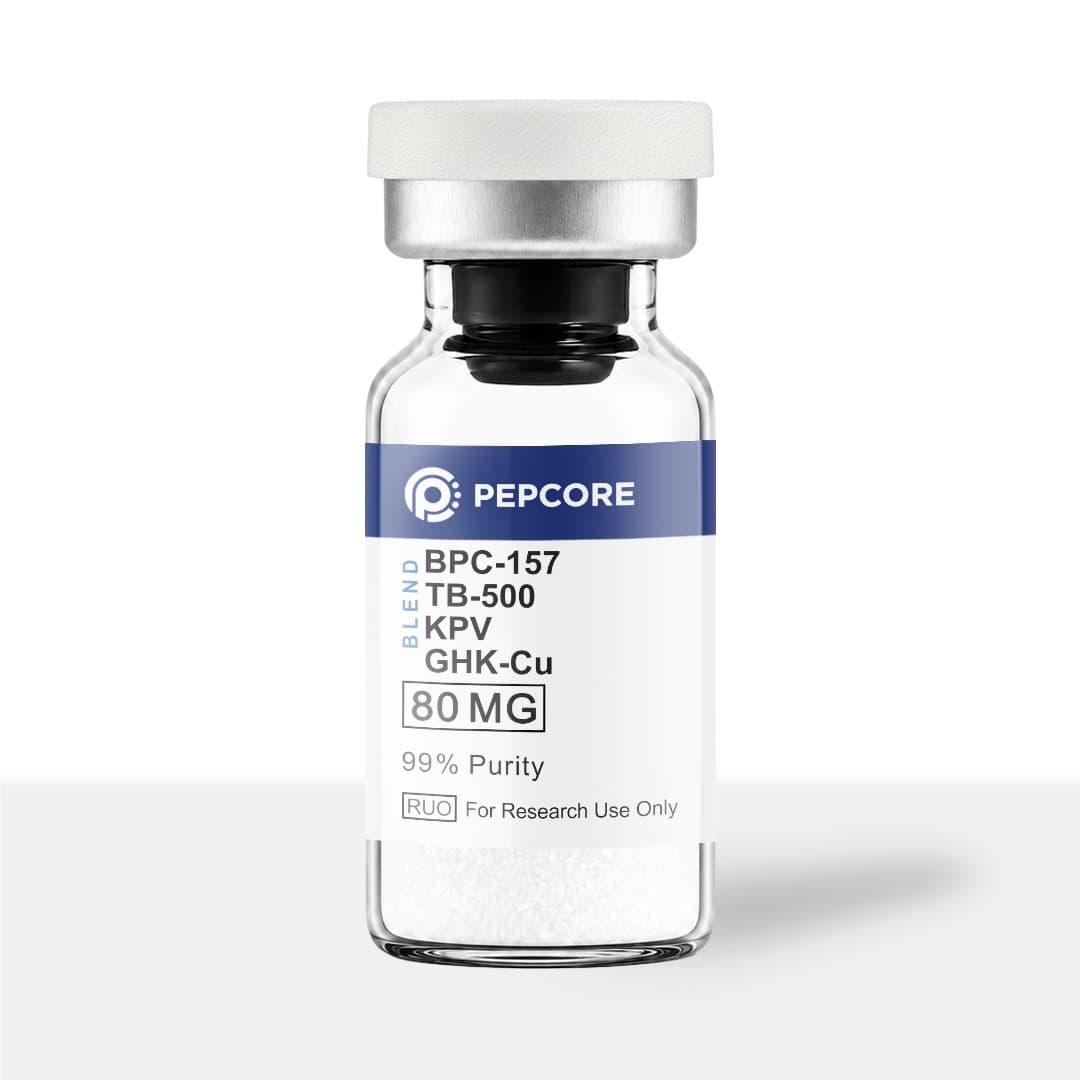
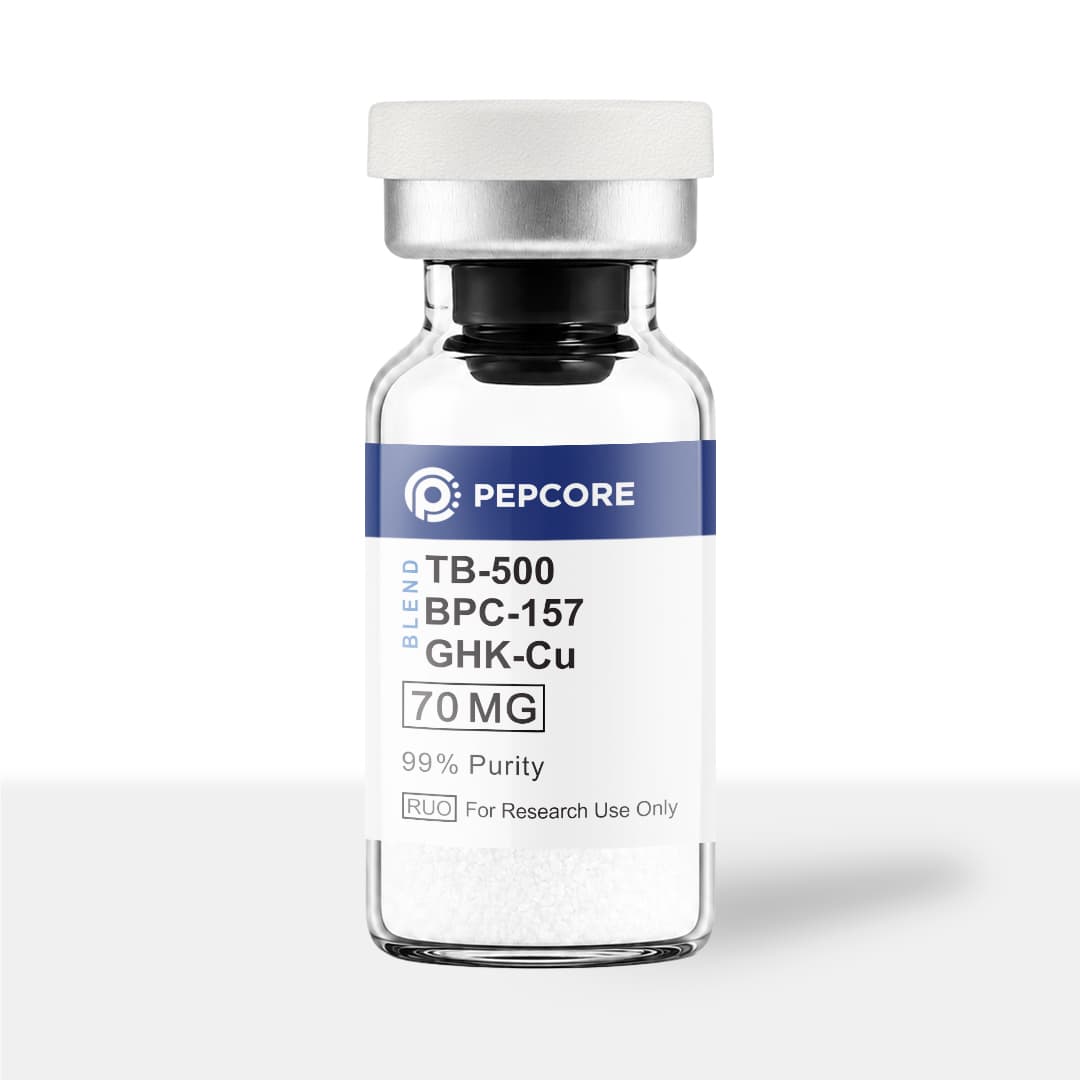
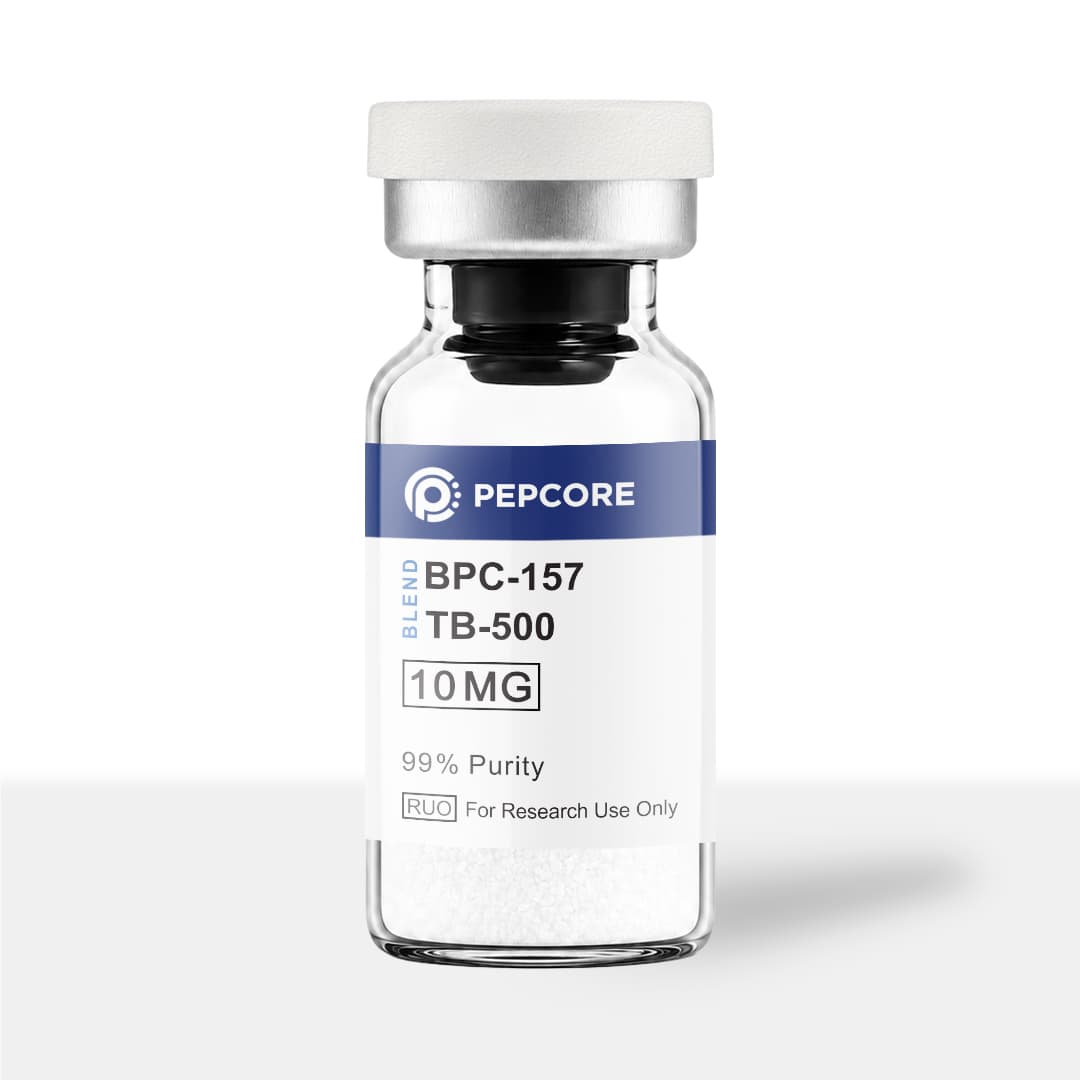
BPC-157 · TB-500 (10 mg + 10 mg) (Blend)
For laboratory research use only. Not for human or veterinary use.
Description
BPC-157 TB-500 peptide blend is a dual-peptide research formulation combining two of the most studied tissue-signaling compounds in preclinical research. This BPC-157 TB-500 peptide blend enables simultaneous investigation of complementary biological pathways including cellular migration, extracellular matrix interaction, angiogenic signaling, and inflammatory modulation in controlled laboratory models.
BPC-157 (Body Protection Compound-157) is a synthetic pentadecapeptide derived from a gastric protein sequence, extensively studied for its role in growth factor expression and cytoprotective signaling. TB-500 is a synthetic analogue of Thymosin Beta-4, a naturally occurring peptide involved in actin regulation, cytoskeletal organization, and fibroblast behavior. Together, their complementary signaling profiles make this blend a preferred compound for researchers investigating coordinated peptide activity across tissue-environment communication in vitro (Sikiric et al., 2001 — Journal of Physiology).
Preclinical studies have explored the individual and combined actions of these peptides across angiogenic, anti-inflammatory, and regenerative research contexts (Goldstein et al., 2005 — Annals of the New York Academy of Sciences).
(Gwyer et al., 2019 — Wound Repair and Regeneration).
Each component of this BPC-157 TB-500 peptide blend is independently verified for purity prior to formulation. The blend is supplied at a combined 20mg total peptide content per vial, lyophilised under controlled conditions to maintain structural integrity during storage and handling. This format ensures consistent reconstitution characteristics for standardised experimental protocols.
The peptide is supplied as a lyophilized powder to ensure optimal stability during storage and handling.