Bioregulators
Bioregulators
Browse our complete collection of research peptides.
20 products
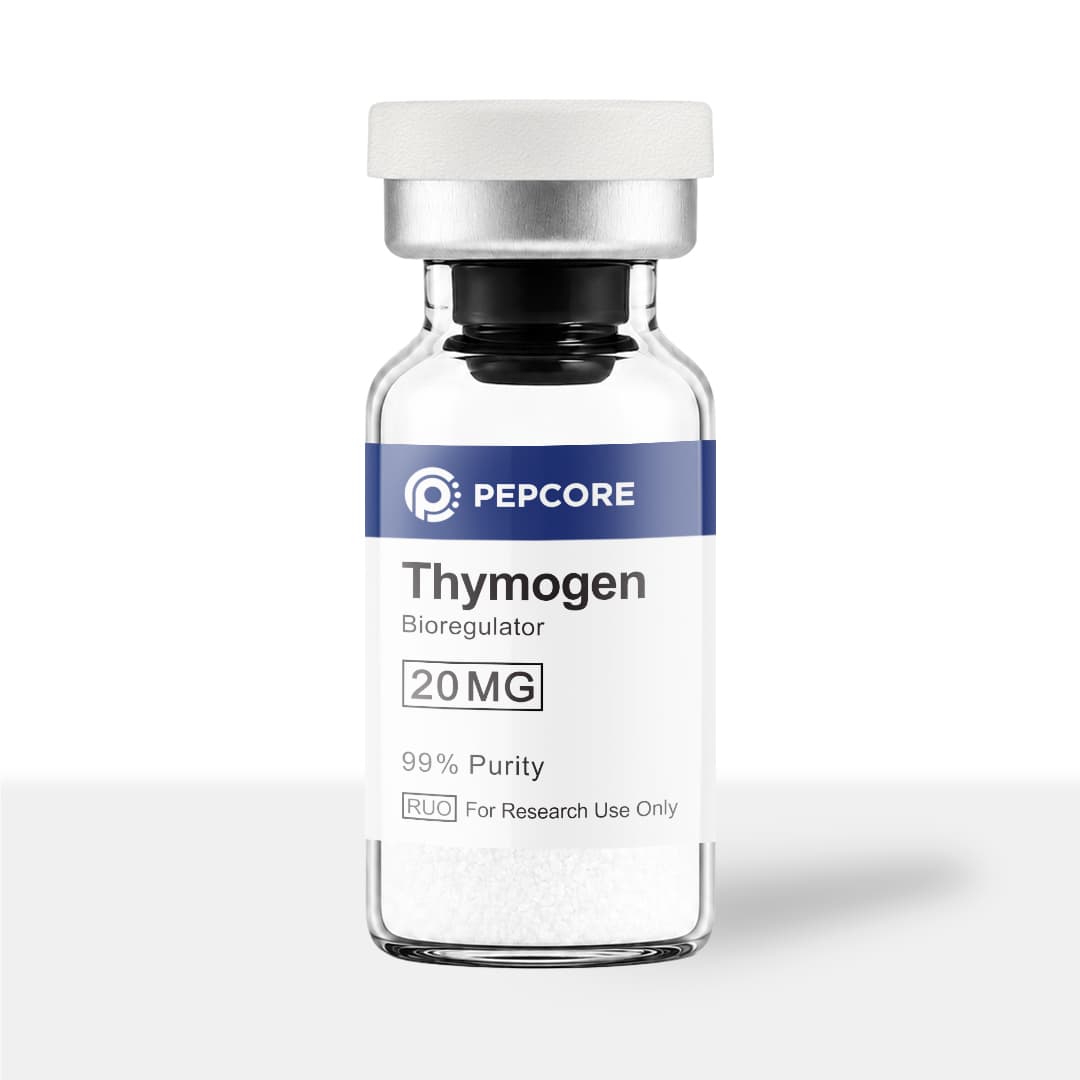
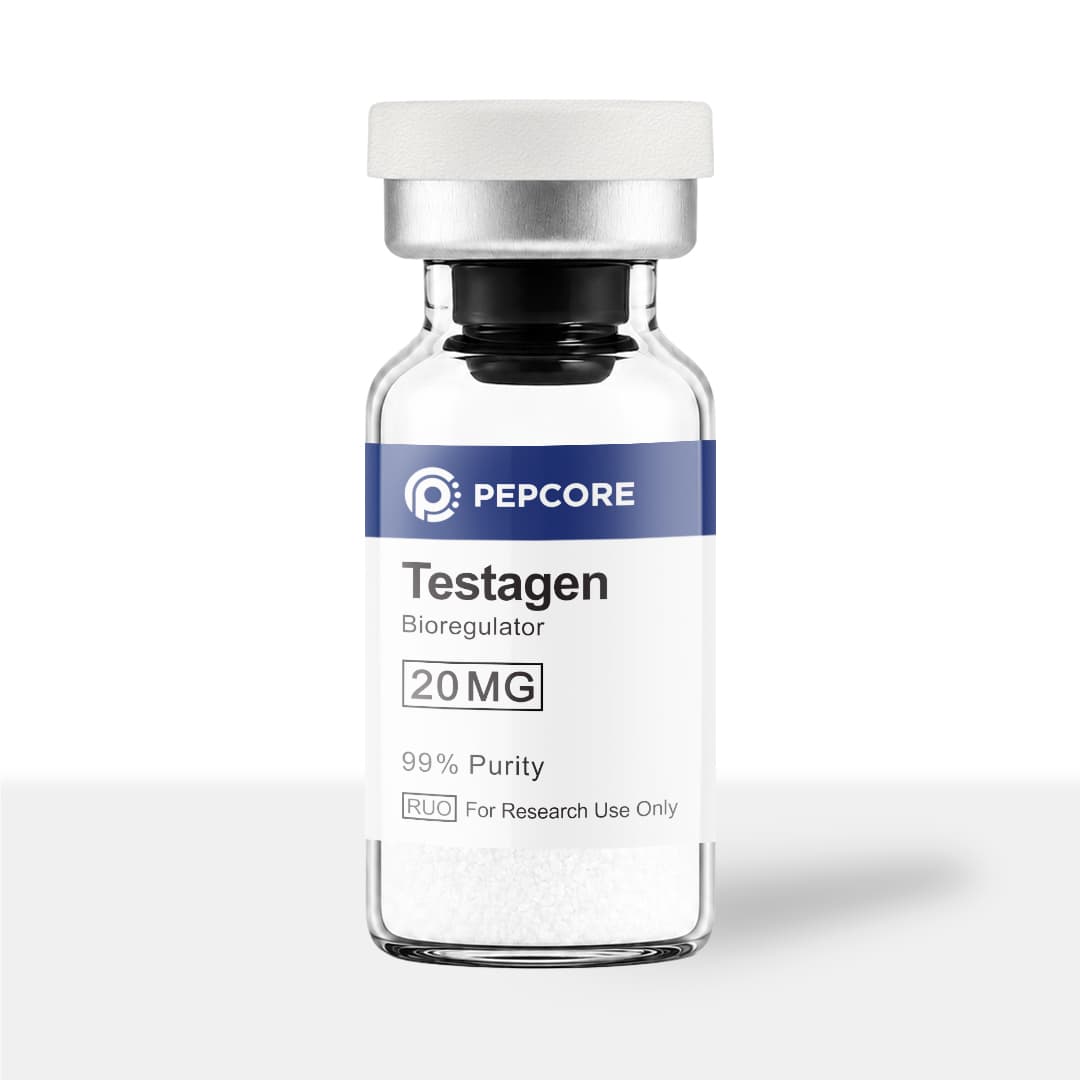
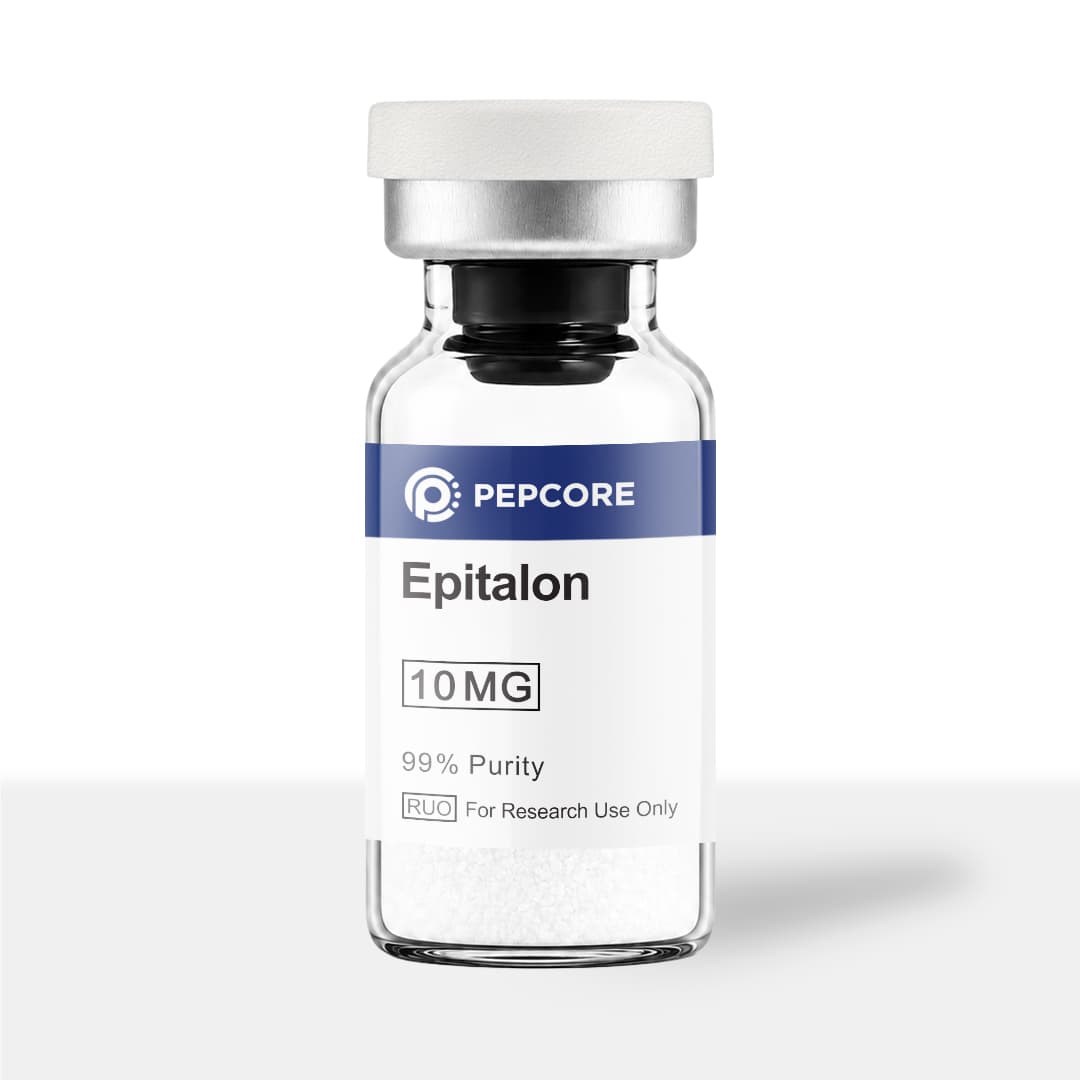
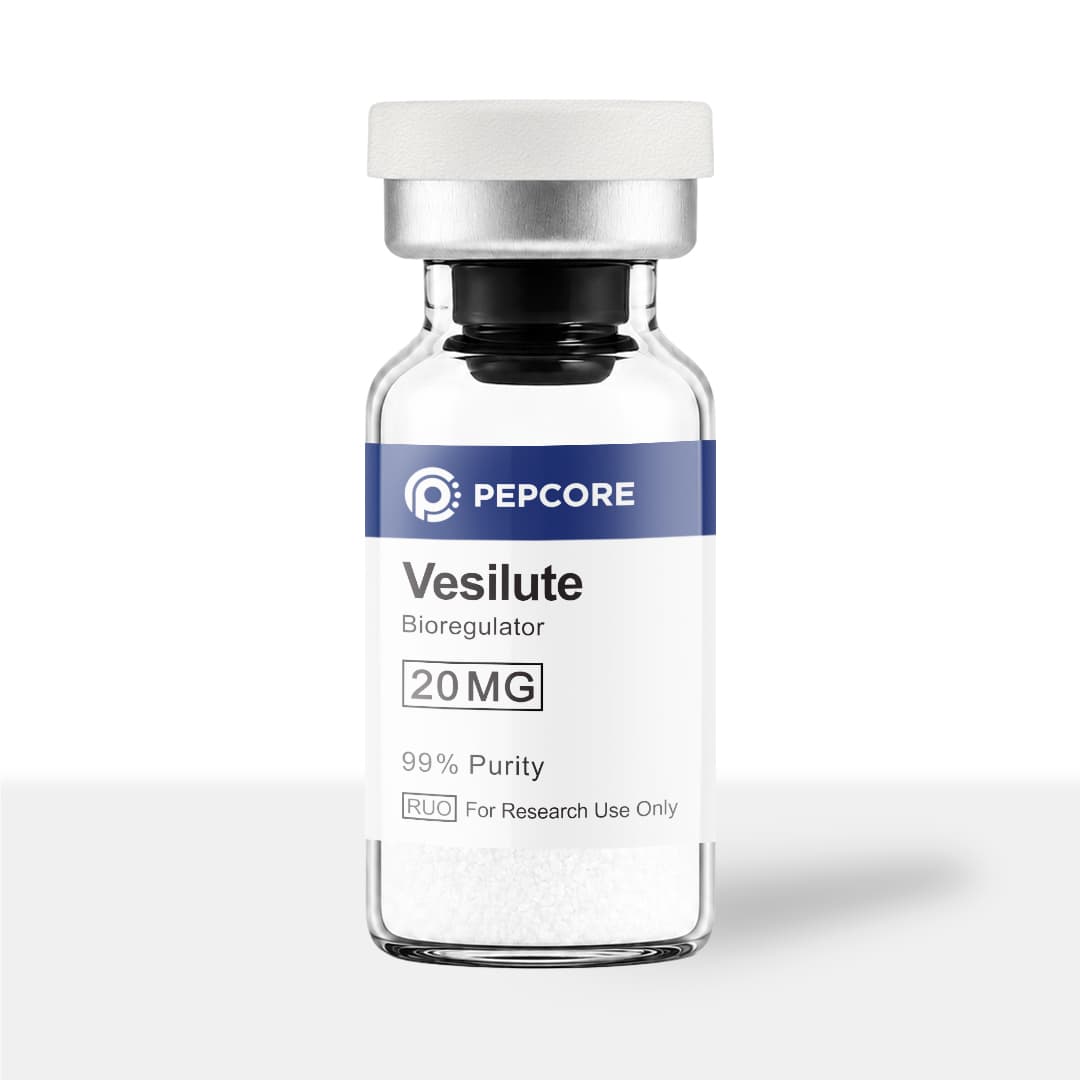
Bioregulators are short-chain peptide fragments of two to four amino acids, modelled on naturally occurring regulatory peptide sequences identified in animal tissues. Research interest in bioregulators centres on cellular-lifecycle dynamics, organ-specific gene-expression pathways, telomere biology, and tissue-pathway research at the cellular level. Compounds in this category include the pineal bioregulator Epitalon (studied in telomerase and cellular-senescence research), thymic bioregulators Thymogen and Testagen (cellular-immunity research models), Cardiogen (cardiomyocyte research), Pancragen (pancreatic-pathway research), and a broader set covering bronchial, hepatic, renal, prostatic and connective-tissue research models. Pepcore supplies bioregulator peptides as ≥99% HPLC-pure lyophilized powder with a Certificate of Analysis (COA) available on request, dispatched with fast EU shipping. All compounds in this category are supplied exclusively for laboratory research use only and are not intended for human or veterinary application.